Renight OIL
Nourishing vitamin oil
skin care
Maria Giulia Simonazzi | International Training Manager
8 min de lecture

Winter brings a noticeable shift in how skin looks and feels. As temperatures drop and indoor heating rises, the skin is asked to adapt to conditions that challenge its natural balance and resilience. Understanding how to adjust your routine—and why those adjustments matter—can make all the difference in keeping skin comfortable, healthy, and radiant throughout the colder months.
Winter places extra stress on the skin, making it drier, more fragile, and prone to irritation. Cold outdoor temperatures combined with dry, heated indoor air weaken the skin’s natural barrier, increasing moisture loss and sensitivity. At the same time, reduced sebaceous activity and sweating limit the skin’s ability to stay hydrated and comfortable.
Research shows that cold exposure causes vasoconstriction, reducing blood flow, oxygen, and nutrient delivery to the skin*, while lowerskintemperature decreases sweat production**, further contributing to dryness and tightness. Shorter days also mean less sun exposure, which can affectvitamin D synthesis and slow skin repair—yet UV protection remains essential, as winter sun and reflective surfaces like snow can still damage the skin.
For winter skin care, priorities shift toward deeper hydration, barrier-strengthening ingredients, and consistent protection. By responding to these seasonal needs, skin can remain soft, balanced, and resilient even in the coldest months.
*Thompson-Torgerson CS, Holowatz LA, Flavahan NA, Kenney WL. Cold-induced cutaneous vasoconstriction is mediated by Rho kinase in vivo in human skin. Am J Physiol Heart Circ Physiol. 2007 Apr; 292(4):H1700-5. doi: 10.1152/ajpheart.01078.2006. Epub 2006 Dec 15. PMID: 17172270.
**Wingo JE, Low DA, Keller DM, Brothers RM, Shibasaki M, Crandall CG. Skin blood flow and local temperature independently modify sweat rate during passive heat stress in humans. J Appl Physiol (1985). 2010 Nov; 109(5):1301-6. doi: 10.1152/japplphysiol.00646.2010. Epub 2010 Aug 12. PMID: 20705945; PMCID: PMC2980382.
Cold weather places added stress on the skin, often showing up as dryness, itching, dullness, or discomfort—clear signs that it needs extra support to maintain balance. Common winter skin concerns include:
These changes are important signals. Recognizing dryness, sensitivity, redness, or flaking early allows for a more targeted, preventive winter skin care routine—one that supports the skin’s barrier and restores comfort throughout the season.
During winter, skin needs extra support to stay soft, hydrated, and protected. Comfort Zone formulas combine emollients, humectants, antioxidants, biomimetic peptides, and soothing ingredients to help counter dryness, redness, irritation, and loss of elasticity—keeping skin soft, nourished, and resilient throughout the season.
Moisturizing ingredients are typically divided into emollients and humectants, and many formulas combine both for optimal hydration. Emollients, such as Macadamia and Marula oils, soften the skin and reinforce the skin barrier, helping prevent moisture loss and reduce tightness. Humectants like glycerin and hyaluronic acid help attract and retain water. Glycerin draws moisture from the environmentor binds water already present in the skin, while hyaluronic acid hydrates at multiple levels—forming a surface film to lock in moisture and penetrating deeper to help plump and brighten the skin.
Antioxidants play a key role in protecting the skin from free radical damage and oxidative stress, which can be more intense during winter. Comfort Zone formulas feature powerful botanical antioxidants, including:
In winter, cold, wind, and dry air increase redness and irritation. Soothing ingredients work together with prebiotics to calm the skin, support the balance of the skin’s microbiota, and strengthen the barrier against seasonal stress. In Comfort Zone formulas, natural-originprebiotics help maintain a healthy microbiota, while the Wonder of Peru extract soothes irritation, reduces redness, and enhances overall skin comfort.

To keep skin healthy and protected through winter, consistency is key. Even the simplest daily steps, when practiced regularly, make a meaningful difference. Comfort Zone’s winter skincare guide features products that are ideal for strengthening the skin barrier and preserving soft skin throughout the colder months.
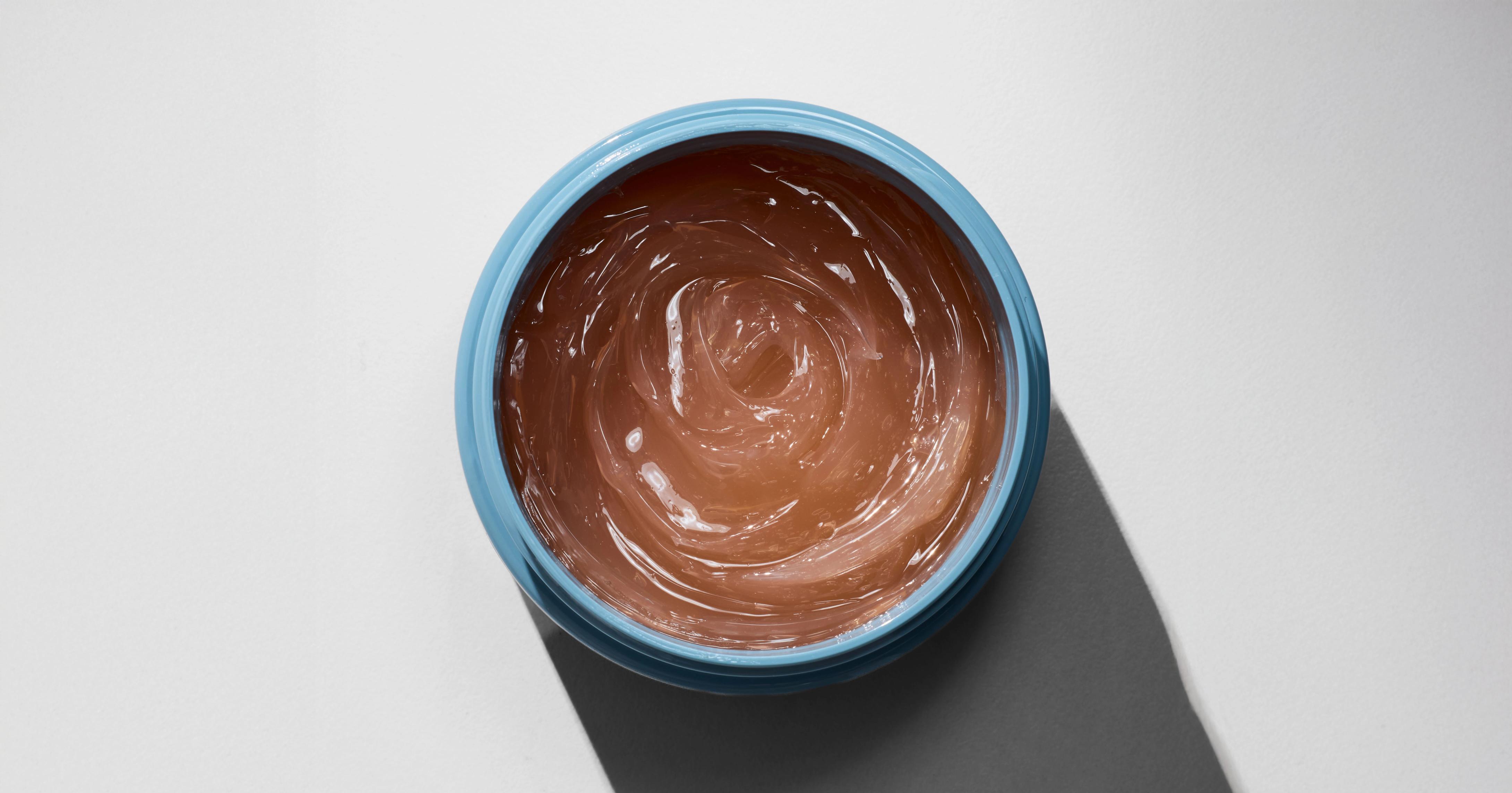
Gentle cleansing is the foundation of a winter routine, helping protect the skin barrier without stripping natural lipids. Cleansers that work by lipid affinity are especially suited to cold weather. Comfort Zone‘s Remedy Cream to Oil removes impurities and makeup while keeping skin soft and protected, thanks to Marula oil, rich in omega-9 and antioxidants. For a more sensorial option, Sublime Skin Pro Skin Barrier Cleanser gently cleanses while strengthening the barrier, making it ideal for dry, mature, or environmentally stressed skin.

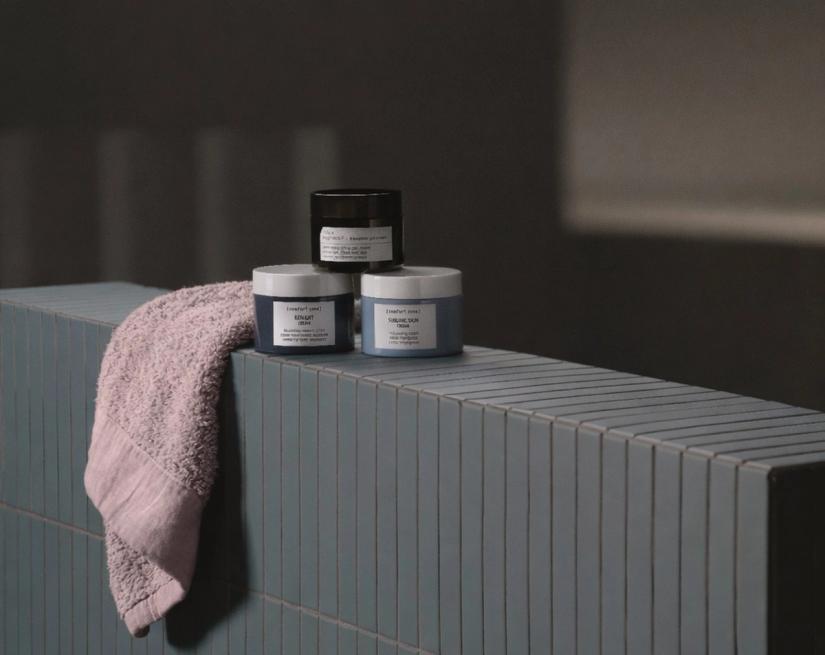
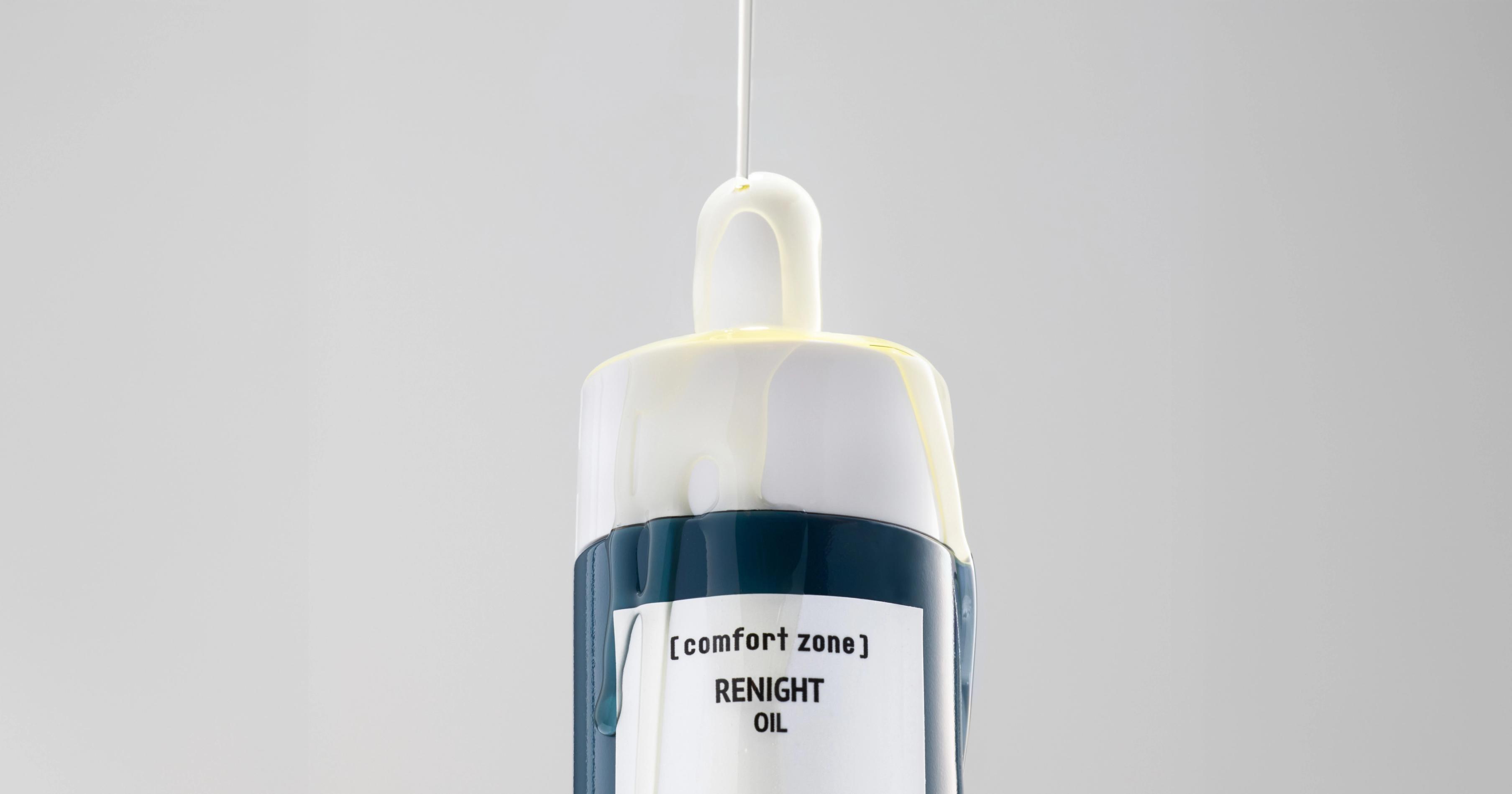
After cleansing, skin needs extra nourishment—especially at night. Cold weather can weaken the barrier, making lipid- and antioxidant-rich formulas essential. Renight Cream, with goji berry oil, Hydrolyzed Tomato Extract, and Macadamia Oil, deeply nourishes and restores comfort for up to 8 hours*. For added care, Renight Oil boosts elasticity and radiance. Together, they help rebuild the lipid barrier, protect against oxidative stress, and keep skin soft and resilient through winter.
*Independent laboratory, instrumental evaluation, 20 people, 1 application
During the day, skin exposed to wind and temperature changes benefits from a protective, soothing cream that strengthens the barrier and reduces redness. Remedy Defense Cream helps calm, protect, and rebalance the skin with Marula oil, natural prebiotics, and Wonder of Peru extract—making it ideal for dry or sensitive skin in winter.
Healthy winter skin starts with simple daily habits. A balanced diet rich in healthy fats and antioxidants helps support the skin barrier from within, while staying well hydrated preserves elasticity and skin tone. Quality sleep allows the skin to repair and regenerate overnight, enhancing the effects of your skin care routine. Using a humidifier can also help counter dry indoor air, keeping skin morecomfortable and hydrated throughout the season.
During winter, when skin often loses elasticity, radiance, and comfort,the Sublime Skin line by Comfort Zone becomes a daily ally for mature and cold-stressed skin. Developed through advanced in-house research,the formulas go beyond surface nourishment to support skin structure and long-term vitality.
At the core of the routine is the Sublime Skin Intensive Serum, a high-performance concentrate with Acetyl-Hexapeptide-8, macro hyaluronic acid, and Achillea millefolium extract from regenerative farming. This serum delivers an immediate firming effect while supporting regeneration and skin quality over time. Its lightweight, biomimetic texture absorbs quickly, deeply hydrating the skin and visibly improving tone and smoothness. Clinically proven to reduce wrinkle depth by 25%*, it also helps counteract signs linked to cellular senescence.
Paired with the Sublime Skin Cream, the routine is enhanced through Archi-Lift® Technology, which supports the skin’s water, lipid, and protein structure. The result is deeper nourishment, improved firmness, restored volume, and a natural filler effect.
Together, the Sublime Skin line helps skin face winter feeling more elastic, radiant, and consistently comfortable.
*Independent laboratory, instrumental evaluation, 40 women, 28 days of use.
What are the best ways to make skin look good in winter?
Keep skin hydrated with barrier-supporting products, prioritize sleep and antioxidant-rich nutrition, and maintain proper indoor humidity to help preserve radiance, tone, and elasticity throughout winter.
What is the best skin care routine for winter?
An effective winter routine combines gentle cleansing, concentrated serums with hyaluronic acid and peptides, nourishing creams and emollients, and protection from environmental stresses to ensure comfort, firmness, and long-lasting hydration.
What is the best thing for winter skin?
The combined action of deep hydration through humectants and emollients, antioxidants to combat free radicals, and a balanced lifestyle are essential for keeping the skin soft, protected, and supple.
Can cold weather cause premature aging of the skin?
Yes, cold, dry air weakens the skin barrier, increases moisture loss, and accelerates wrinkles and loss of elasticity. Using emollients, antioxidants, and biomimetic peptides helps protect the skin and slow winter-related aging.
Does indoor heating affect winter skin health?
Yes, heating reduces relative humidity, increases moisture loss, and promotes dryness and irritation. A routine with humectants and moisturizers, along with support from humidifiers, helps maintain hydration, elasticity, and barrier function.
Nourishing vitamin oil
Gentle cleansing balm
Soothing nourishing cream
Ultra gentle cleanser