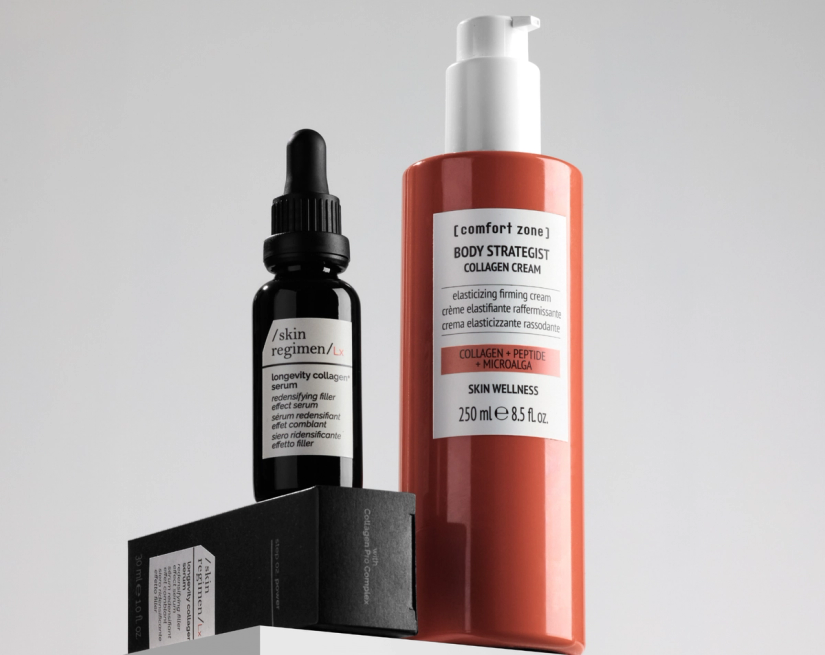
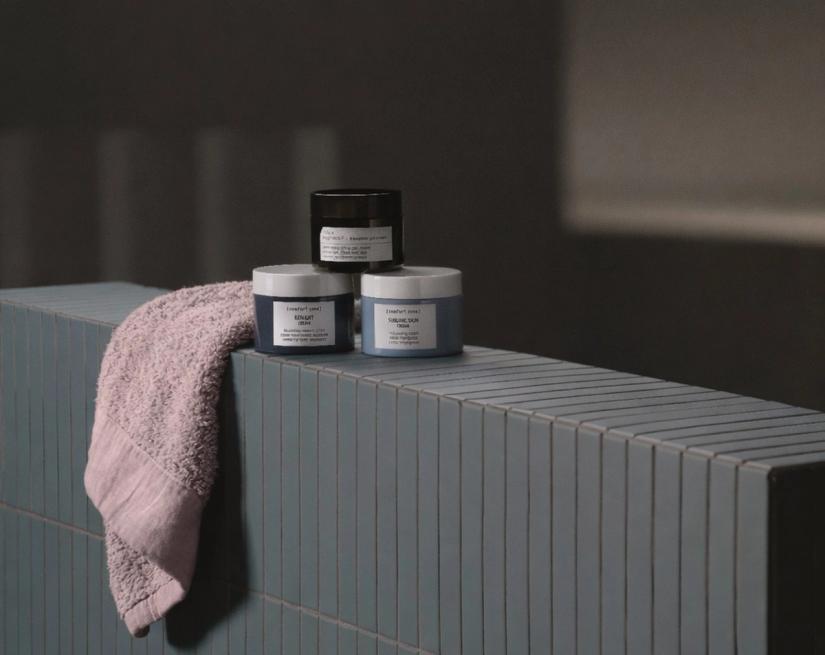
RENIGHT RENIGHT CREAM
Nourishing vitamin cream
skin care
Maria Giulia Simonazzi | International Training Manager
8 min de lecture


Les vents hivernaux et l’air froid peuvent rapidement priver la peau d’hydratation, laissant le visage rouge, tiraillé et irrité, une condition appelée brûlure due au vent. Comprendre comment elle se développe, en reconnaître les symptômes et adopter des mesures préventives et réparatrices sont essentiels pour préserver une peau saine et confortable. Grâce à une routine de soins adaptée et à des produits ciblés Comfort Zone, vous pouvez protéger, apaiser et réparer votre peau, même dans des conditions climatiques extrêmes.
Les brûlures dues au vent sont un problème cutané fréquent en hiver, qui survient lorsque le vent froid et sec prive la peau de ses lipides protecteurs, entraînant une perte d’hydratation accrue et des irritations. Elles sont souvent provoquées par une exposition aux vents glacials, à l’air sec hivernal, à l’altitude ou à des activités en extérieur telles que la marche, la course à pied ou le vélo.
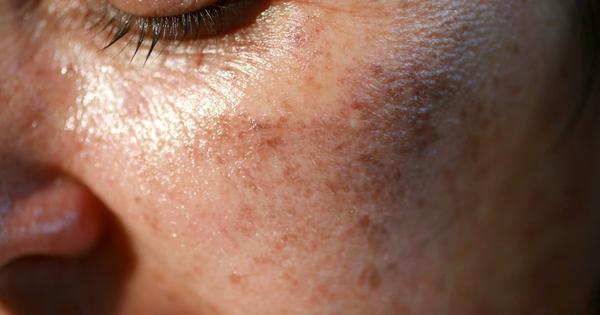
Le résultat est une peau qui tiraille, chauffe ou devient inconfortable, avec des rougeurs visibles, de la sécheresse et parfois des desquamations, autant de signes que la barrière cutanée est fragilisée et a besoin de protection.
Après une exposition prolongée en extérieur en hiver ou en montagne, une peau rouge, sèche et tiraillée est fréquente, et il ne s’agit pas toujours d’un coup de soleil. Les brûlures dues au vent et les coups de soleil sont différents, et savoir les distinguer permet de mieux protéger sa peau.
Les brûlures dues au vent sont causées par un vent froid et sec qui élimine les lipides protecteurs de la peau, entraînant rougeurs, tiraillements, irritations et déshydratation. À l’inverse, les coups de soleil sont provoqués par les rayons UV qui endommagent les cellules cutanées, entraînant rougeurs, sensation de chaleur et parfois desquamation ou cloques.
Le froid ou un ciel nuageux ne bloquent pas les rayons UV, et le vent peut même aggraver les dommages causés par le soleil en asséchant la peau et en atténuant la sensation de chaleur. Les brûlures dues au vent provoquent principalement une irritation superficielle immédiate et une sécheresse, tandis que les coups de soleil entraînent des dommages cellulaires plus profonds et un vieillissement prématuré. Comprendre ces différences permet de protéger efficacement sa peau tout au long de l’année.
Le vent prive la peau d’eau et de lipides protecteurs, affaiblissant la barrière cutanée et augmentant la sensibilité. Lorsque la peau devient rouge, sèche et inconfortable, la priorité est simple : restaurer l’hydratation et apaiser les irritations.
Étape 1 : Réhydrater la peau
Utilisez une crème hydratante douce contenant des humectants comme l’acide hyaluronique pour attirer l’eau dans la peau, associée à des produits contenant des émollients ou des peptides afin de retenir l’hydratation. Appliquez avec des gestes légers et apaisants, évitez de frotter.
Étape 2 : Apaiser les irritations
Calmez les rougeurs et les sensations de brûlure avec des produits contenant des ingrédients apaisants tels que l’aloe vera ou l’extrait de Wonder of Peru. Évitez les parfums, l’alcool ou les actifs agressifs susceptibles d’augmenter la sensibilité. Évitez également la glace ou le froid extrême, qui peuvent aggraver l’irritation.
Étape 3 : Soulager l’inconfort et favoriser la récupération
Évitez les douches chaudes et les nettoyants agressifs qui éliminent les lipides naturels. Maintenez la peau hydratée tout au long de la journée, buvez de l’eau pour soutenir l’hydratation de l’intérieur et appliquez, si nécessaire, une huile protectrice légère. Ne grattez pas et ne manipulez pas excessivement la peau, afin de ne pas ralentir la cicatrisation.
Grâce à ces gestes simples, la peau fragilisée par le vent retrouve confort, hydratation et résistance.
Protéger la peau avant toute exposition au froid, au vent et à l’air sec est essentiel pour prévenir les irritations et les dommages cutanés, en particulier au niveau du visage. Quelques gestes simples permettent de préserver confort, hydratation et résistance, même dans des conditions climatiques difficiles.
Préparer la peau avec une hydratation protectrice
Appliquez une crème riche contenant des émollients et des peptides avant de sortir afin de renforcer la barrière cutanée et de limiter la perte d’hydratation.
Utiliser une protection solaire toute l’année
Le vent ne bloque pas les rayons UV. L’application quotidienne d’un écran solaire protège la peau des effets combinés du soleil et du vent, même en hiver.
Protéger les zones exposées
Protégez le visage et les mains avec des écharpes, des gants et des bonnets pour limiter l’exposition directe au vent. La peau délicate du contour des yeux bénéficie de lunettes de soleil ou de ski, qui préviennent rougeurs et sécheresse. Pour les lèvres, une routine comme Hydramemory Lip Trio, gommage doux, masque hydratant et baume repulpant, aide à les maintenir douces et confortables tout au long de la journée.
Éviter les traitements agressifs avant de sortir
Évitez l’exfoliation ou les soins intensifs les jours de grand vent, car ils peuvent augmenter la sensibilité et fragiliser la barrière cutanée.
Soutenir l’hydratation tout au long de la journée
Buvez régulièrement de l’eau et utilisez un humidificateur à l’intérieur pour compenser l’air sec dû au chauffage.
Avec une routine préventive régulière, la peau reste protégée, équilibrée et confortable, même dans les conditions hivernales les plus extrêmes.

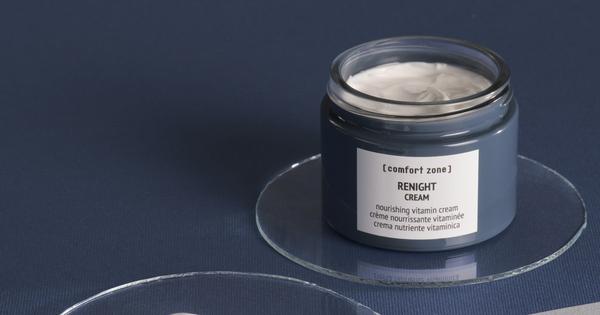
Lorsque le vent froid assèche et irrite la peau, des soins ciblés deviennent essentiels. Les produits Comfort Zone apportent hydratation, protection et réparation. La Hydramemory Rich Sorbet Cream nourrit et restaure l’hydratation tout au long de la journée, laissant la peau douce et résistante. La nuit, la routine Renight, incluant Renight Oil, Renight Cream et le Renight Mask, soutient les processus naturels de régénération.
En cas de brûlures dues au vent ou d’irritations, la Remedy Cream apaise les rougeurs, les sensations de brûlure et l’inconfort tout en renforçant la barrière cutanée. Grâce à sa combinaison d’huile de marula et d’un prébiotique naturel, 96 % des participants ont constaté une peau plus nourrie, protégée et confortable après une utilisation régulière.*
En associant Hydramemory le jour, Renight la nuit et Remedy selon les besoins, vous créez une routine complète qui hydrate, protège et répare, aidant la peau à affronter le vent et les conditions hivernales avec confort et résistance.
*Laboratoire indépendant, évaluation instrumentale, 20 personnes, 1 application.
*Panel international, 24 femmes, 20 jours d’utilisation.
La plupart des brûlures dues au vent peuvent être traitées à domicile à l’aide de produits hydratants et protecteurs. Cependant, en cas de rougeurs persistantes, de sensation de brûlure intense, de gonflement, de cloques ou de desquamation, il est conseillé de consulter un dermatologue ou un médecin.
Un accompagnement professionnel permet d’apaiser l’irritation et de choisir des produits adaptés à votre type de peau, en évitant les ingrédients susceptibles d’aggraver la situation. Une prise en charge rapide peut prévenir des complications telles qu’une inflammation prolongée, une sensibilité chronique ou des troubles de la pigmentation.
Prévenir et traiter les brûlures dues au vent commence par une routine de soins cohérente : hydratez la peau pendant la journée avec Hydramemory Rich Sorbet Cream, nourrissez et réparez-la la nuit avec Renight Oil, Renight Cream et Renight Mask, et apaisez les irritations avec Remedy Defense Cream. Chaque produit contribue à renforcer la barrière cutanée, laissant la peau douce, protégée et éclatante.
Découvrez l’ensemble des soins ciblés Comfort Zone, en particulier pour les peaux sèches, afin de préserver une peau saine et résistante, même face aux conditions hivernales les plus extrêmes.

Comment traiter les brûlures dues au vent ?
Traitez-les en hydratant la peau avec des crèmes nourrissantes telles que Hydramemory Rich Sorbet Cream ou Renight Cream. Apaisez les rougeurs et les sensations de brûlure avec des soins calmants comme Remedy Defense Cream. Protégez la barrière cutanée du vent et du froid en portant des couches de vêtements supplémentaires.
Les brûlures dues au vent sont-elles aussi graves que les coups de soleil ?
Les rougeurs dues au vent n’endommagent pas les cellules comme un coup de soleil, mais elles peuvent affaiblir la barrière cutanée, provoquer sécheresse, irritation intense et augmenter la sensibilité de la peau.
À quoi ressemble une brûlure due au vent ?
La peau apparaît rouge, tiraillée, sèche et sensible au toucher, souvent accompagnée de sensations de brûlure, de picotements ou d’inconfort général.
Pourquoi les brûlures dues au vent sont-elles si douloureuses ?
Le vent élimine les lipides protecteurs et l’hydratation naturelle de la peau, la rendant plus exposée aux stimuli sensoriels et amplifiant la douleur, les sensations de brûlure et les tiraillements.
Combien de temps dure une brûlure due au vent ?
Elle dure généralement de 1 à 3 jours, mais dans le cas de peaux très sèches ou sensibles, elle peut persister jusqu’à une semaine sans hydratation et protection adéquates. Si les symptômes sont intenses ou ne s’améliorent pas, il est recommandé de consulter un dermatologue ou un médecin afin d’obtenir des conseils adaptés et prévenir d’éventuelles complications.
Nourishing vitamin cream
Hydrating glow cream
Nourishing vitamin mask
Soothing hydrating cream
Nourishing vitamin oil