Renight Oil
Nourishing vitamin oil
skin care
Eve Mérinville | Corporate RD Excellence & SC RD and Innovation Director
8 min read


Cosmetic oils may look similar at first glance, but their hydration level, absorption rate, texture, and sensory qualities can differ significantly. Some deeply nourish and support the skin barrier, while others feel lighter, absorb quickly, or are chosen primarily for their glide or aroma. Understanding how oils behave—both functionally and sensorially—helps you choose the right fit for your skin type, goals, and preferred experience, whether you're seeking moisture, a silky finish, therapeutic scent, or a balanced blend.
Cosmetic oils serve different roles in skincare: some nourish and support the skin barrier, while others enhance the sensory experience through scent and texture. Functional (or carrier) oils help restore moisture, strengthen the lipid barrier, and improve softness and elasticity. In contrast, essential oils don’t hydrate but instead provide aromatic and experiential benefits. Both natural and synthetic oils can be used in cosmetics—natural oils offer biocompatibility and antioxidant plant compounds, while synthetic oils can be designed for precision texture and performance.
Functional oils nourish, protect, and help reinforce the skin barrier. Rich in vitamins, fatty acids, and antioxidants, these oils integrate seamlessly with the skin’s lipid structure, supporting hydration, elasticity, and resilience. Each oil offers unique benefits, which is why we carefully evaluate both their chemistry and sensorial qualities. At Comfort Zone, oils such as jojoba, goji berry, macadamia, amaranth, tamanu, sweet almond, and marula, selected for their balanced profiles of essential fatty acids, polyphenols, phytosterols, and fat-soluble vitamins, are used within our body care collection as well as in other lines and formulations. Together, they transform skincare application into a nourishing ritual that leaves the skin soft, supple, and visibly restored.
| OIL | MAIN COMPOSITION | TEXTURE | NATURAL ORIGIN | |
| Jojoba Oil | Rich in vitamin E and monounsaturated fatty acids | Light and silky | Seeds of the jojoba plant (Simmondsia chinensis) | |
| Goji Berry Oil | Rich in provitamin A, vitamin E, and trace elements | Light and silky | Seeds of the goji plant (Lycium barbarum) | |
| Marula Oil | Rich in omega-9, tocopherols, and phytosterols | Soft and comfortable | Seeds of the marula plant (Sclerocarya birrea) | |
| Macadamia Oil | Monounsaturated fatty acids | Rich and silky | Macadamia seeds (Macadamia ternifolia | |
| Amaranth Oil | Rich in squalene, fatty acids, and alpha-tocopherol | Light and silky | Amaranth seeds (Amaranthus caudatus) | |
| Tamanu Oil | Fatty acids and antioxidants | Rich and enveloping | Seeds of the tamanu plant (Calophyllum inophyllum) | |
| Sweet Almond Oil | Monounsaturated fatty acids, Vitamin E | Soft and nourishing | Sweet almonds (Prunus amygdalus) |
At Comfort Zone, each functional oil is carefully selected to offer the skin a complete and targeted treatment. The combination of their properties creates a beauty ritual that nourishes, protects, and regenerates, adapting harmoniously to the needs of all skin types.
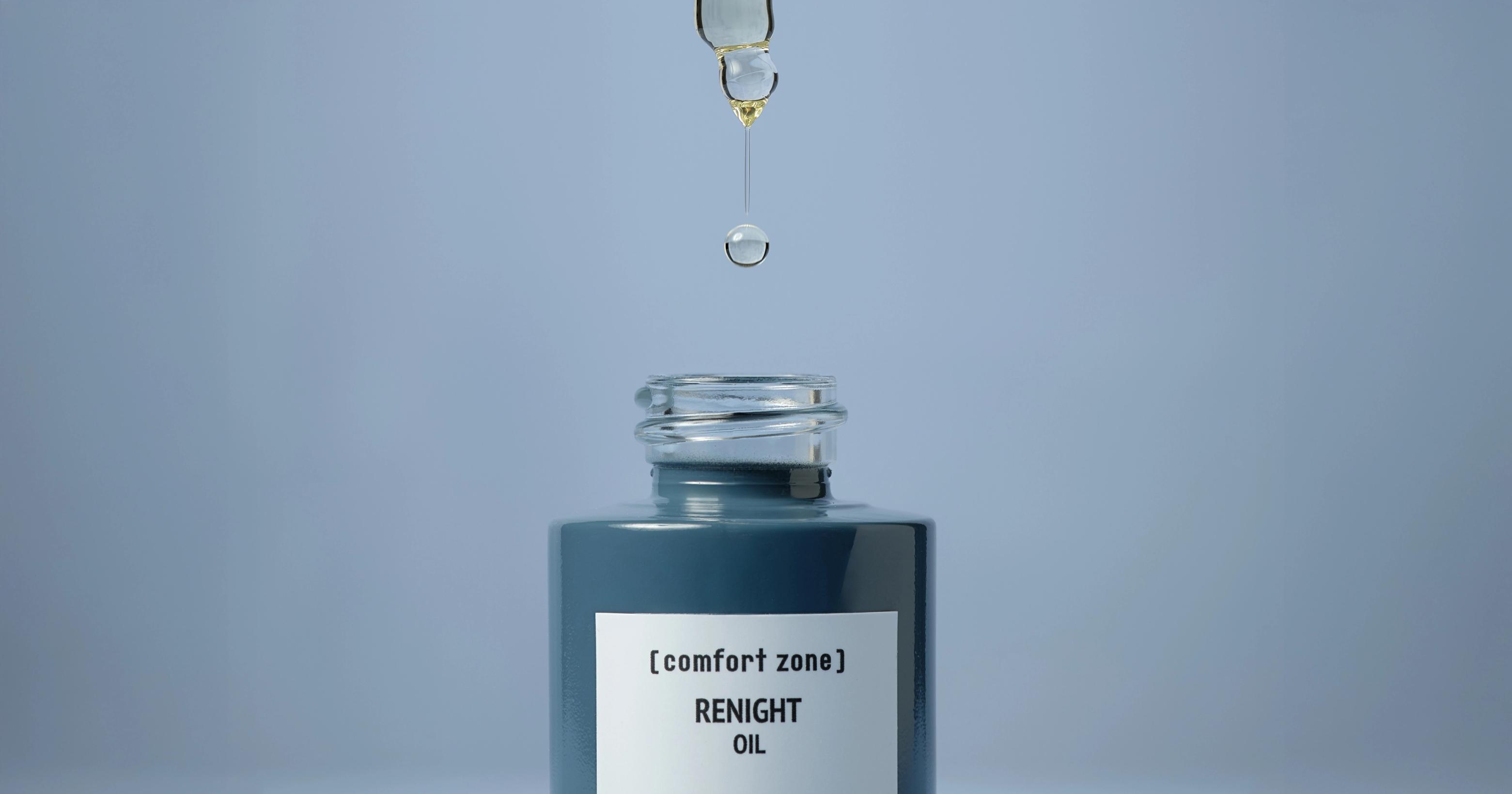
Renight Oil is a nourishing, multivitamin face oil with a silky, non-greasy texture. Its blend of functional oils—including jojoba, goji berry, macadamia, sesame seed, and rice oil—hydrates, protects, and strengthens the skin barrier while delivering antioxidant benefits. Clinically proven, it provides up to 8 hours of continuous nourishment*, ideal for dry, tired, or undernourished skin.
In Comfort Zone’s Remedy line, Marula oil is the key functional ingredient in both Remedy Defense Cream and Remedy Cream To Oil. Extracted from the seeds of the South African tree Sclerocarya birrea, it is rich in omega-9 fatty acids, tocopherols, and phytosterols, providing deep emollient care, fortifying the skin barrier, and soothing sensitive skin. Together, these products deliver comfort, protection, and barrier support through the power of marula oil.
Amaranth oil is the functional heart of Tranquillity™ Oil, Comfort Zone’s aromatic bath and body oils. Its silky texture and soothing aroma create a luxurious wellness experience, and with its blend of functional oils, 93% of users reported softer, silkier skin.**
Body Strategist Oil helps restore elasticity and firmness, targeting areas prone to sagging or stretch marks. Its full-bodied, massaging texture makes it ideal for toning and remodeling. The vegan formula features tamanu oil, known for its toning properties, and sweet almond oil, which nourishes and softens the skin. Clinical testing shows a 16% increase in skin firmness***, confirming its effectiveness in improving resilience and overall skin quality.
*Independent laboratory, instrumental evaluation, 20 people, 1 application.**Self-evaluation, 30 regular users. ***Independent laboratory, instrumental test, panel of 20 people, 28 days.
The way an oil spreads and absorbs affects both its performance and the sensory experience. Lighter, less dense oils glide easily, absorb quickly, and leave a silky, non-greasy finish. Fuller, thicker oils provide longer-lasting coverage, forming a protective layer that retains moisture and delivers deep nourishment.
These differences in viscosity, density, and friction shape how the oil feels on skin, influencing comfort, absorption, and overall user experience. Choosing the right texture ensures the oil performs effectively while creating a satisfying, sensorial ritual.

Oils differ in how they moisturize: occlusive oils form a protective barrier, humectants draw water into the skin, and emollients soften and smooth. Selecting the right oil depends on your skin type and needs.
For a deep boost in long-lasting hydration, discover our Hydramemory collection.
Essential oils are true concentrations of nature in its purest form. Extracted from precise parts of plants, flowers, leaves, roots, resins, or peels, they are obtained through traditional methods such as steam distillation or cold pressing. From a chemical perspective, each essential oil is an intricate blend of volatile molecules including terpenes and esters. This molecular diversity creates an unmistakable aromatic identity for every essence, the result of a delicate equilibrium among dozens, sometimes hundreds, of different compounds.
It is precisely this richness that gives essential oils their remarkable benefits. Certain molecules promote deep relaxation; others support purifying or toning actions, while some exhibit anti-inflammatory or antimicrobial properties. Every oil carries a unique botanical and chemical story, reflected in the way it interacts with our senses and our well-being. Inhaling their aroma is more than a simple olfactory pleasure, it becomes a quiet invitation to pause, breathe, and regain balance amid the pace of everyday life.
Comfort Zone products are developed and tested by expert cosmetic formulators, ensuring both efficacy and safety. Every step—from ingredient selection to formulation—is carefully overseen to deliver optimal results while maintaining skin delicacy.
Important notes:
What oil is used in cosmetics?
Different types of oils are used in cosmetics. Some, such as natural or synthetic functional oils, are designed to moisturize, nourish and protect the skin. Others, such as essential oils, serve to enrich the formula with scent and sensoriality, making the application more pleasant and engaging. At Comfort Zone, we incorporate oils like jojoba, macadamia, amaranth, tamanu, marula, goji berry, and sweet almond to provide hydration, protection, and sensory richness across our product lines.
How does spreadability differ across oils?
The light, less dense oils flow easily, absorb quickly, and give an immediate feeling of comfort. Thicker oils require slower application, but provide long-lasting nourishment, creating a protective film that retains moisture and envelops the skin.
Are moisturizing oils safe for sensitive skin?
Yes! Oil and oily products are often ideal for sensitive skin, as they strengthen the skin barrier without irritating it. In addition, formulations rich in oils contain fewer preservatives, reducing the risk of reactions. However, it is important to choose products that let the skin breathe, as oils that are too occlusive can cause discomfort or a feeling of heaviness.
Can aromatic oils irritate skin?
Essential oils can sometimes irritate the skin, as they contain natural substances that can cause allergic reactions. Those with sensitive skin should choose formulations with diluted aromatic oils, designed to minimize the risk of irritation, or products without added fragrances.
Which oils suit oily or acne-prone skin?
For oily or blemish-prone skin, light oils, such as jojoba oil, are preferred. These provide moisture without weighing down the skin and help maintain the balance of sebum, avoiding a shiny or occlusive effect.


Nourishing vitamin oil
Pro-elasticity oil
Aromatic body oil
Soothing nourishing cream
Hydrating glow cream